


Products
Support
Contact Us
No. 509-510, Bldg B, Idea Industry Park, Fengxiang Road, Shunde District, Foshan, Guangdong, China
 +86 186 8025 3077
Mon - Fri (6:00 AM – 10:00 PM)
Sat - Sun (6:00 AM – 10:00 PM)
 darren@fsmanybest.com
In the era of open-concept living, the home has become a place to show off your personal style. From sleek and modern to cozy and traditional, there are endless ways to make your home your own. But what if you could take it one step further? With lay-in-ceiling, you can create a whole new level of dimension and interest in your home. This type of ceiling offers an opportunity to really get creative with your space and make a statement. In this blog post, we will explore the many benefits of lay-in-ceiling and how it can transform your home. From visual interest to added insulation and more, read on to learn all about this exciting new trend.
A lay-in ceiling is a new type of ceiling that gives homeowners a unique way to experience their home. This type of ceiling is made up of panels that fit together to create a smooth, uninterrupted surface. Lay-in ceilings are available in a variety of materials, including wood, metal, and plastic. They can also be painted or stained to match the existing décor in your home.
There are three types of lay-in ceilings: drywall, acoustic, and suspended.
Drywall ceilings are the most common type of ceiling. They're made from a layer of gypsum board that's attached to the joists with screws or nails. The screws or nails are then covered with joint compound and tape. Drywall ceilings can be painted or textured to achieve different looks.
Acoustic ceilings are made from a layer of fiberglass or another sound-absorbing material that's attached to the joists with adhesive. They're often used in offices and classrooms to reduce noise levels. Acoustic ceilings can be painted, but they're more commonly left white.
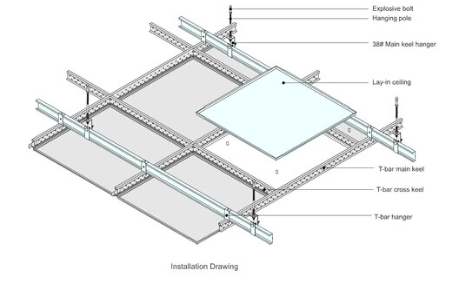
Suspended ceilings are made from metal grids that are hung from the joists with wires. The grids support tiles, which can be made from a variety of materials including fiberglass, mineral fiber, and metal. Suspended ceilings are often used in commercial spaces because they're easy to maintain and offer good acoustical properties.
If you’re considering a lay-in ceiling for your home, there are a few things to keep in mind. Here are some of the pros and cons of this type of ceiling:
Pros:
1. Lay-in ceilings can give your home a unique look.
2. They can be an easy and affordable way to change the feel of a room.
3. Lay-in ceilings can help reduce noise levels in your home.
4. They can also help reduce energy costs by keeping your home cooler in the summer and warmer in the winter.
Cons:
1. Lay-in ceilings may be difficult to install if you’re not experienced in do-it-yourself projects.
2. You may need to hire a professional if you want a perfect finish.
3. Lay-in ceilings can be dusty and difficult to clean if they’re not installed properly.
When it comes to choosing a lay-in-ceiling for your home, there are many factors to consider. The first step is to decide what style of ceiling you want. There are many different styles of ceilings, including traditional, modern, and contemporary. Once you've decided on the style of ceiling you want, the next step is to choose the material.
There are many different materials available for ceilings, including wood, metal, and plaster. After you've chosen the material, the next step is to choose the finish. There are many different finishes available for ceilings, including paint, stain, and varnish. Once you've chosen the finish, the next step is to choose the size of the ceiling.
Ceilings come in a variety of sizes, so it's important to measure your space before making a purchase. After you've chosen the size of your ceiling, the last step is to install it. Installation can be done by a professional or by yourself, but it's important to follow all instructions carefully.
Lay-in ceilings are a great way to add interest and dimension to any room. Here are some recipes to help you get started:
1. Start with a base layer of drywall or plywood.
2. Add insulation if desired.
3. Install your chosen ceiling material using furring strips or other methods.
4. Add lights and other fixtures as desired.
5. Finish with paint, wallpaper, or another covering of your choice.
If you are looking for an alternative to the traditional lay-in ceiling, there are many options available. You can choose from a variety of materials, including wood, metal, and even glass. There are also a number of different styles to choose from, so you can find one that fits your taste and needs.
One popular alternative to the lay-in ceiling is the drop ceiling. This type of ceiling is very easy to install and can be done by almost anyone. The drop ceiling also allows you to have more control over the lighting in your room, as you can add or remove lights as needed.
Another popular alternative is the suspended ceiling. This type of ceiling is similar to the drop ceiling, but it does not have any supports along the edges. This makes it ideal for rooms with high ceilings or for those who want a more open feel in their home.
Finally, there is the false ceiling. This is a good choice for those who want to create a unique look in their home. False ceilings are often made from a variety of materials, including wood, metal, and even glass. They can be made to look like almost anything you want, so you can really let your imagination run wild when choosing this option.
A Lay-in-Ceiling is a new type of ceiling that offers many benefits over traditional ceilings. Here are just a few of the advantages of having a Lay-in-Ceiling:
1. Increased Energy Efficiency: A Lay-in-Ceiling helps to reduce heat loss in your home, which can lead to lower energy bills.
2. Improved Sound Insulation: A Lay-in-Ceiling can help to reduce noise levels in your home, making it more peaceful and relaxing.
3. Enhanced Aesthetics: A Lay-in-Ceiling can give your home a modern and stylish look that will impress guests and increase your property value.
4. Greater Flexibility: A Lay-in-Ceiling allows you to change the look of your room easily and cheaply, without having to replace the entire ceiling.
5. easier Maintenance: A Lay-in Ceiling is much easier to clean than a traditional ceiling, saving you time and effort.
Installing a Lay-In-Ceiling is easy and can be done by following these simple steps:
1. Choose the right location for your Lay-In-Ceiling. The best locations are those that are out of the way and not too visible.
2. Prepare the area where you will be installing the Lay-In-Ceiling. This includes making sure that the area is clean and free of debris.
3. Install the frame for your Lay-In-Ceiling. This can be done by attaching the frame to the ceiling joists using screws or nails.
4. Hang the panels for your Lay-In-Ceiling. This can be done by attaching the panels to the frame using screws or nails.
5. Install the trim for your Lay-In Ceiling. This can be done by attaching the trim to the molding using screws or nails.
Conclusion
If you're looking for a new way to experience your home, lay-in-ceiling might be the perfect option for you. With its unique design and multitude of benefits, lay-in-ceiling is quickly becoming a popular choice among homeowners. If you're interested in learning more about this exciting new trend, be sure to check out our website or give us a call today. We would be happy to answer any of your questions and help you get started on your own lay-in-ceiling project.
Customized aluminum panels are very durable and will last a long time even with regular use. They can be used outdoors or indoors and will not rust or fade over time. This means that they will not need to be replaced as often as other materials like wood or plastic would need to be replaced.
Their appeal stems from the numerous advantages they offer over other materials. Some of these advantages include being lightweight, long-lasting, and low maintenance.
Aluminum Veneer System is a collection of internal and external cladding developed to fulfill the specific needs of each project. Special dimensions and designs can be requested by designers, architects, and consultants. These decorative panels are commonly employed in both commercial and residential buildings. It is used in industrial applications such as cladding, facades,and building products like windows, doors ,screen and ceiling.
Aluminum Panels is one of the most popular materials used in home construction and renovation. This element is lightweight and also has a high strength-to-density ratio, which makes it ideal for building homes and other structures.
If you are looking for an alternative to wood or vinyl siding, aluminum panels can be a great choice. Aluminum is easily customizeble, so you can find just about any color that you want. There are some things that you should know about this type of panel before you begin your project.
1)Special dimension and designs can be customized according to project requirements.
2)Could be customized for indoor/outdoor ceiling and wall decoration.
3)Relatively low maintenance solution for any wall application.
4)Windproof and waterproof, fireproof. Would not fade or rust or corrode, durable enough
for long term use.
5)You can enjoy one strop service from design to installation guide for your project from our team.
We have rigorous quality test system, from raw materials to finished products, the materials must be checked and signed by QC people.
And The finished product must go through three rounds of spot inspection.We must provide the best products to our customers.
For those regular customers, we offer incredible discount, sample free shipping, 3D Graph Draw, custom packaging and QC as per custom requirements.
From 2009 to 2025Manybest is with 16 years experience in this industry, we have served clients from more than 100 countries/areas, Manybest is well-known for its quality and Manybest team win clients’ trust by honesty and down to earth business style.